
Pregnancy and Melasma: What Expectant Mothers Need to Know
Pregnancy is a time of significant changes for your body, and your skin is no exception. One common skin concern that many expectant mothers face is melasma, often referred to as the “mask of pregnancy”. This blog post will guide you through what melasma is, how it relates to pregnancy, and what you can do about it both during and after your pregnancy.
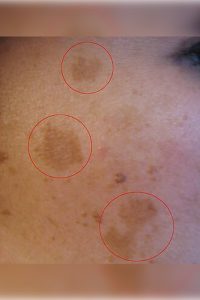
Understanding Melasma
What is Melasma?
Melasma is a skin condition characterised by brown or greyish-brown patches, typically appearing on the face. It’s more common in women, especially during pregnancy, which is why it’s often called the “mask of pregnancy”.
Common areas affected
Melasma usually appears on the cheeks, forehead, nose, and upper lip. In some cases, it can also develop on other parts of the body that get sun exposure, such as the forearms and neck.
Causes of Melasma
While the exact cause of melasma isn’t fully understood, several factors can contribute to its development:
Hormonal changes
Pregnancy, hormone replacement therapy, and birth control pills can trigger melasma. This is why it’s particularly common during pregnancy when hormone levels fluctuate dramatically.
Sun exposure
UV rays from the sun can stimulate melanocytes, the pigment-producing cells in your skin, exacerbating melasma.
Genetics
If you have a family history of melasma, you may be more likely to develop it during pregnancy.
Melasma and Pregnancy
Why Melasma Occurs During Pregnancy
During pregnancy, your body experiences a surge in hormones, particularly oestrogen and progesterone. These hormones can increase the production of melanin, the pigment that gives colour to your skin, hair, and eyes.
Hormonal influence
The increase in melanin production can lead to hyperpigmentation, causing the characteristic dark patches of melasma. This is why melasma is often considered one of the endocrine-related dermatological conditions.
When Does Pregnancy-Related Melasma Typically Appear?
Melasma often develops during the second or third trimester of pregnancy when hormone levels are at their highest.
Duration
For some women, melasma fades on its own after pregnancy. However, for others, it may persist and require treatment.
Managing Melasma During Pregnancy
Safe Treatment Options for Expectant Mothers
While pregnant, your options for treating melasma are limited due to safety concerns for your baby. However, there are still several prenatal skincare strategies you can employ:
Sun protection
The most crucial step in managing melasma is protecting your skin from the sun. Use a broad-spectrum sunscreen with at least SPF 30, wear a wide-brimmed hat, and seek shade when possible.
Gentle skincare
Use mild, non-irritating skincare products. Look for ingredients like vitamin C, which can help brighten the skin and is generally considered safe during pregnancy.
Avoid triggers
Heat and friction can worsen melasma. Try to stay cool and avoid rubbing your skin vigorously.
What to Avoid
Certain treatments and ingredients should be avoided during pregnancy due to potential risks to the foetus:
Hydroquinone
This skin-lightening agent is not recommended during pregnancy due to its high absorption rate.
Retinoids
Vitamin A derivatives, including retinol and tretinoin, should be avoided during pregnancy.
Chemical peels
Many chemical peels use ingredients that aren’t safe during pregnancy. Always consult with your doctor before considering any aesthetic treatments while pregnant.
Post-Pregnancy Care for Melasma
Will Melasma Go Away After Pregnancy?
For some women, melasma fades naturally in the months following delivery. However, this isn’t the case for everyone, and you may need to consider treatment options if the condition persists.
Treatment Options After Pregnancy
Once you’ve given birth and finished breastfeeding, you’ll have more options for treating melasma. However, always consult with a skincare professional before starting any new treatments.
Topical treatments
Prescription creams containing hydroquinone, tretinoin, or corticosteroids may be recommended. These can help to lighten the dark patches associated with melasma.
Chemical peels
Certain types of chemical peels can help to reduce the appearance of melasma by removing the top layer of skin.
Laser and light therapies
Laser and light therapies can be effective in treating melasma, but they should be performed by experienced practitioners to avoid worsening the condition.
Ongoing Skincare and Prevention
Even after treatment, it’s crucial to maintain good skincare habits to prevent melasma from returning:
Sun protection
Continue to use sunscreen daily and reapply regularly, especially if you’re spending time outdoors.
Skincare routine
Develop a consistent skincare routine that includes gentle cleansing, moisturising, and the use of products recommended by your skincare professional.
Regular check-ups
Schedule regular appointments with your dermatologist or aesthetician to monitor your skin’s progress and adjust your treatment plan as needed.
Embracing Your Skin
Emotional Impact of Melasma
It’s important to acknowledge that skin changes during and after pregnancy can be emotionally challenging. Remember that melasma is a common condition and doesn’t reflect on your health or that of your baby.
Self-care
Practice self-care and focus on your overall well-being. Your skin is just one part of you, and it’s been through an incredible journey bringing new life into the world.
When to Seek Professional Help
If you’re concerned about melasma or any other after-birth skin concerns, don’t hesitate to seek professional advice. A dermatologist or aesthetician can provide personalised recommendations and treatments to help you feel confident in your skin.
Pregnancy brings many changes, and melasma is just one of them. By understanding this condition and knowing your options for managing it, you can navigate this aspect of pregnancy and postpartum life with confidence. Remember, every woman’s experience is unique, and what works for one may not work for another. Be patient with your skin, seek professional advice when needed, and above all, celebrate the incredible journey your body has undertaken.